Certification Barriers and Breakthrough Cases for Chinese Material Firms Entering Global Supply Chains
Certification Barriers and Breakthrough Cases for Chinese Material Firms Entering Global Supply Chains
The global semiconductor industry is undergoing a major transformation as supply chains become more diversified, regionalized, and strategically important. Semiconductor materials, once considered a relatively stable part of chip manufacturing, have become one of the most critical competitive areas in the industry. For Chinese semiconductor material companies, entering global supply chains represents both a significant opportunity and a complex challenge. While China has developed strong capabilities in many material segments, gaining acceptance from international semiconductor manufacturers requires overcoming strict certification barriers, technological requirements, and long-established supplier relationships.
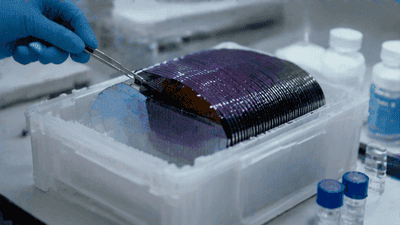
Unlike equipment or chip design companies, semiconductor material suppliers often operate behind the scenes. However, their products directly influence wafer yield, reliability, and production efficiency. A small variation in chemical purity, particle contamination, or material performance can impact millions of dollars of semiconductor production. As a result, global chip manufacturers are highly cautious when introducing new suppliers into their manufacturing processes.
Chinese material firms are increasingly investing in advanced technologies, expanding production capacity, and participating in global semiconductor ecosystems. Several companies have achieved important breakthroughs by successfully entering supply chains for photoresists, semiconductor chemicals, silicon wafers, packaging materials, and other critical components. These developments highlight the gradual evolution of China's semiconductor materials industry from domestic substitution toward global competition.
The Importance of Semiconductor Material Certification
Semiconductor manufacturing depends on hundreds of specialized materials, including photoresists, polishing materials, wet chemicals, gases, silicon wafers, masks, and packaging materials. Unlike general industrial products, semiconductor materials require extremely high levels of consistency and reliability.
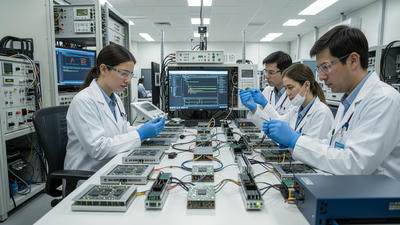
Before a material supplier can enter the supply chain of a major semiconductor manufacturer, it must pass a lengthy qualification process. This process typically includes laboratory testing, small-scale production verification, pilot wafer runs, reliability assessments, and long-term performance monitoring.
The certification process exists because semiconductor fabrication facilities operate with extremely narrow error margins. A material defect that appears insignificant in ordinary industrial applications can create massive losses in semiconductor manufacturing. For example, contamination from a chemical used during wafer processing can reduce chip yield across an entire production batch.
Therefore, semiconductor companies generally prefer suppliers with proven track records. This creates a significant challenge for new entrants, especially companies attempting to replace established international suppliers.
Major Certification Barriers Facing Chinese Material Companies

The first major barrier is technological capability. Semiconductor materials require advanced research and manufacturing expertise. Achieving high purity levels, stable chemical composition, and consistent batch performance requires years of accumulated experience.
Many Chinese companies have successfully developed semiconductor materials for mature manufacturing processes. However, advanced nodes require even stricter specifications. Materials used in cutting-edge semiconductor production must meet requirements measured at extremely small scales, where even microscopic impurities can affect performance.
The second barrier is customer qualification cycles. Semiconductor manufacturers cannot quickly switch suppliers because production stability is more important than short-term cost savings. A new material supplier may spend several years working with a customer before achieving full approval.
The third challenge is global trust and supply chain reputation. International semiconductor companies have built long-term relationships with established material suppliers from Japan, South Korea, Europe, and the United States. These relationships include technical cooperation, process optimization, and joint development. New suppliers must demonstrate not only product quality but also long-term reliability.
Technology Gaps Between Domestic and Global Leaders
China's semiconductor materials industry has developed rapidly, but differences remain between domestic companies and global leaders in several high-end segments.
In advanced photoresists, for example, Japanese and American companies have maintained strong technological advantages due to decades of research and close cooperation with leading semiconductor manufacturers. Chinese companies have made progress in developing domestic alternatives, particularly for mature processes, but advanced EUV photoresists remain a major challenge.
Similarly, semiconductor-grade silicon wafers require extremely precise manufacturing techniques. Producing large-diameter wafers with ultra-low defect rates requires sophisticated equipment, process control, and years of manufacturing experience.
However, technology gaps are gradually narrowing. Increased investment in research and development, collaboration with universities, and government-supported semiconductor programs have accelerated progress across multiple material categories.
Breakthrough Case: Semiconductor Chemicals and Wet Process Materials
One of the most successful areas for Chinese semiconductor material companies has been semiconductor chemicals. These materials are essential for cleaning, etching, and processing wafers throughout semiconductor manufacturing.
Chinese chemical companies have achieved significant improvements in purification technology and production consistency. Some domestic suppliers have successfully entered the supply chains of local semiconductor manufacturers and are gradually expanding cooperation with international customers.
The success of chemical suppliers demonstrates an important pathway for Chinese material companies: starting from mature process applications, building manufacturing credibility, and gradually moving toward higher-end markets.
Instead of immediately competing with global leaders in the most advanced semiconductor processes, many Chinese companies have focused on segments where technical barriers are lower and demand growth is strong. This strategy allows them to accumulate experience and improve their technologies over time.
Breakthrough Case: Semiconductor Packaging Materials
Another area where Chinese companies have achieved progress is semiconductor packaging materials. As advanced packaging becomes increasingly important for artificial intelligence chips, high-performance computing, and automotive semiconductors, demand for packaging materials continues to increase.
Traditional semiconductor scaling is becoming more difficult, and advanced packaging technologies such as chiplets and heterogeneous integration are gaining importance. This creates new opportunities for material suppliers.
Chinese companies have expanded capabilities in packaging substrates, encapsulation materials, bonding materials, and thermal management solutions. By focusing on fast-growing application areas, these companies have found opportunities to participate in global semiconductor supply chains.
The packaging market also has a different competitive structure compared with advanced wafer fabrication. While leading-edge chip manufacturing remains highly concentrated, packaging supply chains are more open to new participants with strong manufacturing capabilities.
Breakthrough Case: Silicon Wafers and Domestic Substitution
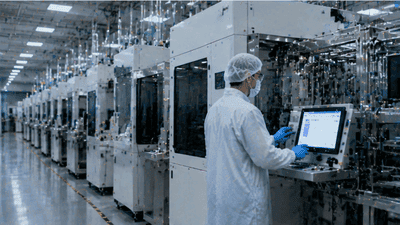
Silicon wafers represent one of the most important foundations of semiconductor manufacturing. For many years, the global silicon wafer market was dominated by companies from Japan, Taiwan, and Germany.
Chinese silicon wafer manufacturers have invested heavily in expanding production capacity and improving quality. Although achieving leadership in advanced wafer technology remains challenging, domestic companies have made progress in supplying mature process wafers.
The growth of domestic wafer suppliers reflects a broader trend in China's semiconductor industry. Companies are first targeting areas where local demand is large and supply chain security is important. Over time, these companies aim to improve technology levels and compete internationally.
The Role of Government Support and Industrial Policy
Government support has played an important role in accelerating the development of China's semiconductor materials sector. Semiconductor materials require significant capital investment, long development cycles, and extensive research capabilities.
Industrial policies have encouraged investment in domestic semiconductor supply chains, helping companies expand production facilities and improve research capabilities.
However, long-term competitiveness depends on technological achievement rather than policy support alone. Semiconductor customers ultimately prioritize quality, reliability, and performance. Companies must continuously improve their products to succeed in global markets.
Challenges in Global Expansion
Entering global supply chains requires more than competitive pricing. International customers evaluate suppliers based on multiple factors, including technical capability, manufacturing stability, environmental standards, intellectual property protection, and supply chain transparency.
For Chinese material companies, building international credibility remains a long-term process. Semiconductor manufacturers are often reluctant to change suppliers because production interruptions can create significant financial losses.
Another challenge is geopolitical uncertainty. Semiconductor supply chains have become closely connected with national security considerations, export controls, and regional manufacturing strategies. Companies entering international markets must navigate increasingly complex regulatory environments.
Strategies for Successful Market Entry
Chinese semiconductor material companies are adopting several strategies to overcome certification barriers.
First, many companies are focusing on specific market segments rather than attempting to compete across all material categories. Concentrating resources on areas with strong technical potential improves the probability of success.
Second, companies are increasing investment in research and development. Semiconductor materials require continuous innovation because manufacturing processes constantly evolve.
Third, companies are building partnerships with semiconductor manufacturers. Close cooperation allows suppliers to understand customer requirements and improve products through practical manufacturing experience.
Fourth, companies are expanding internationally through localized operations and global customer support. Semiconductor manufacturers value suppliers that can provide reliable technical assistance worldwide.
The Future Outlook for Chinese Semiconductor Materials
The future development of Chinese semiconductor material companies will depend on their ability to move from cost competition toward technology competition.
In mature semiconductor processes, Chinese suppliers are likely to continue gaining market share due to strong domestic demand and improving manufacturing capabilities. In advanced semiconductor materials, progress will require longer development cycles and deeper technological breakthroughs.
The global semiconductor industry is also becoming more diversified. Companies are increasingly seeking multiple suppliers to reduce supply chain risks. This trend creates opportunities for capable Chinese material companies that can meet international quality standards.
However, success will not happen quickly. Semiconductor materials are among the most technically demanding parts of the semiconductor ecosystem. Building global trust requires years of consistent performance.
Conclusion
The journey of Chinese semiconductor material companies entering global supply chains reflects both the opportunities and challenges facing the semiconductor industry. Certification barriers remain significant because semiconductor manufacturing requires extreme precision, reliability, and consistency.
Despite these challenges, Chinese companies have achieved important breakthroughs in semiconductor chemicals, packaging materials, silicon wafers, and other segments. These successes demonstrate that gradual improvement, targeted investment, and close cooperation with customers can create pathways into global markets.
As semiconductor supply chains continue to evolve, material suppliers will play an increasingly important role in determining industry competitiveness. Chinese semiconductor material companies that successfully overcome certification barriers and achieve technological breakthroughs will become increasingly important participants in the global semiconductor ecosystem.