Material Inventory Cycles Typically Lead Equipment Inventory by 1-2 Quarters
The semiconductor industry operates through one of the most complex supply chains in the global manufacturing ecosystem. From raw materials and specialty chemicals to semiconductor equipment and final chip production, every stage is closely connected through demand signals, inventory adjustments, and capital investment cycles. Understanding the relationship between material inventory cycles and equipment inventory cycles provides important insight into the future direction of semiconductor markets.
Historically, semiconductor material inventory cycles tend to move ahead of semiconductor equipment inventory cycles by approximately one to two quarters. This leading relationship occurs because materials are consumed directly during wafer production, while equipment investment decisions usually follow changes in production demand with a delay. When semiconductor manufacturers begin adjusting production levels, material suppliers often experience changes in orders before equipment suppliers see significant shifts in demand.
This cycle relationship has become increasingly important as semiconductor markets become more volatile. The rapid expansion of artificial intelligence, cloud computing, automotive electronics, and advanced manufacturing has created periods of strong demand followed by inventory corrections. Investors, equipment manufacturers, and semiconductor companies increasingly monitor material inventory trends as an early indicator of future industry conditions.
The Role of Materials in the Semiconductor Supply Chain
Semiconductor materials are the foundation of chip manufacturing. Every wafer produced requires a wide range of materials, including silicon wafers, photoresists, specialty gases, wet chemicals, polishing materials, sputtering targets, packaging materials, and advanced process chemicals.
Unlike semiconductor manufacturing equipment, which represents long-term capital investment, materials are consumed continuously during production. A semiconductor fabrication plant can only operate efficiently when it maintains a stable supply of qualified materials. As a result, material purchasing decisions are closely linked to actual wafer production activity.
When semiconductor demand begins improving, chip manufacturers typically increase material orders first because they need immediate supply to support higher production levels. Equipment investment usually follows later because expanding manufacturing capacity requires longer planning cycles, budget approval, equipment delivery, installation, and process qualification.
This difference creates a natural timing gap between material inventory movements and equipment inventory movements.
Why Material Inventory Usually Leads Equipment Inventory
The leading relationship between materials and equipment comes from the different roles they play in semiconductor manufacturing. Materials are operating inputs, while equipment represents long-term capacity expansion.
When demand weakens, semiconductor manufacturers usually reduce wafer starts and consume existing material inventory before making major equipment decisions. Material suppliers quickly experience lower orders because customers adjust purchases according to near-term production requirements.
Equipment suppliers, however, often continue receiving orders that were placed months earlier. Semiconductor manufacturers rarely cancel equipment investments immediately because projects involve long-term strategic planning.
Similarly, during a market recovery, semiconductor companies usually increase material purchases before committing to new equipment. They first utilize existing factory capacity and raise production output. Only after sustained demand growth becomes visible do they begin ordering additional manufacturing equipment.
This creates a typical one-to-two-quarter lead time where material inventory trends provide early signals about future equipment demand.
The Semiconductor Downcycle Example
During semiconductor downturns, inventory correction often begins with materials. When chip demand slows, semiconductor manufacturers reduce production schedules and immediately cut orders for consumable materials.
Material suppliers may see revenue declines quickly because their products are directly tied to wafer production volume. Silicon wafer shipments, chemical consumption, and specialty material demand can weaken within a short period.
Equipment suppliers usually experience a slower decline because semiconductor manufacturers may continue existing expansion projects or complete previously ordered equipment installations.
After one or two quarters, equipment demand often begins reflecting the broader market slowdown as manufacturers delay new investments and reduce capital expenditure plans.
This sequence explains why material companies are often viewed as early-cycle indicators, while equipment companies are considered later-cycle indicators.
The Semiconductor Recovery Cycle
The same pattern appears during industry recoveries. When semiconductor demand begins improving, manufacturers usually increase production using existing capacity before investing in new factories or equipment.
The first signs of recovery often appear in material orders. Increased wafer starts require additional supplies of chemicals, gases, and wafers. Material inventories begin declining as production activity improves.
After several months of stronger demand, semiconductor manufacturers gain confidence that the recovery is sustainable. They then increase capital expenditure plans and place new equipment orders.
This sequence means that improving material inventory trends can provide early evidence of future equipment recovery.
For investors and industry analysts, monitoring material demand can therefore provide valuable insight into the direction of semiconductor capital spending.
Advanced Semiconductor Manufacturing Increases Material Complexity
The relationship between materials and equipment has become even more important as semiconductor manufacturing advances toward smaller process nodes.
Modern semiconductor production requires increasingly sophisticated materials. Advanced logic chips require specialized photoresists, high-purity chemicals, advanced deposition materials, and new process solutions designed for extreme precision.
As manufacturing complexity increases, material qualification becomes more difficult. Semiconductor manufacturers cannot quickly switch suppliers because new materials must undergo extensive testing to ensure they do not affect chip performance or production yield.
This creates stronger connections between semiconductor manufacturers and material suppliers. When demand changes, material inventory movements can reveal not only production trends but also changes in advanced technology adoption.
The Impact of Artificial Intelligence on Inventory Cycles
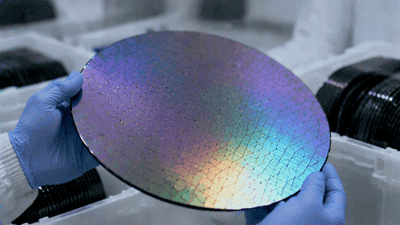
The rapid growth of artificial intelligence has introduced a new dimension to semiconductor inventory management. AI processors, high-bandwidth memory, and advanced packaging technologies require large quantities of specialized materials.
Demand for AI-related semiconductors has increased investment in advanced manufacturing capacity. However, because new capacity takes years to build, semiconductor companies must carefully manage material availability.
In AI-related semiconductor segments, material demand can increase quickly before equipment capacity expands. This makes material inventory trends particularly valuable for understanding future manufacturing constraints.
For example, advanced packaging materials and high-performance semiconductor substrates have become strategic bottlenecks as AI infrastructure expands. Rising demand for these materials may signal future investment in packaging equipment and manufacturing facilities.
Inventory Management Challenges for Semiconductor Companies
Managing semiconductor inventory is extremely challenging because companies must balance supply security with financial efficiency.
Holding excessive material inventory increases costs and creates the risk of product obsolescence. However, insufficient inventory can disrupt production and reduce customer satisfaction.
Semiconductor manufacturers therefore use complex forecasting systems to predict future demand. These forecasts influence both material purchasing decisions and equipment investment strategies.
When market conditions change rapidly, inventory adjustments can create significant volatility across the semiconductor supply chain. A small change in chip demand can affect material orders, production schedules, equipment utilization, and capital spending decisions.
The Relationship Between Foundries and Suppliers
Foundry companies provide a clear example of the material-equipment cycle relationship. Leading foundries operate thousands of production steps and depend on reliable access to materials and equipment.
When foundries experience stronger customer demand, they first increase utilization rates at existing facilities. This immediately increases material consumption.
If demand continues growing, foundries begin expanding capacity through additional equipment purchases and new factory construction.
Therefore, material suppliers often benefit earlier in a recovery cycle, while equipment suppliers benefit later when capacity expansion begins.
How Investors Use Material Inventory Signals
Investors tracking semiconductor cycles often analyze multiple indicators, including wafer shipments, semiconductor pricing, equipment orders, and inventory levels.
Material inventory trends are especially valuable because they provide earlier information about production changes. Rising material demand can indicate improving semiconductor utilization rates before equipment companies report stronger orders.
However, material trends must be analyzed carefully. Short-term inventory changes can also result from supply chain disruptions, customer stockpiling, or temporary market conditions.
A complete semiconductor cycle analysis requires combining material data with equipment spending, semiconductor pricing trends, and end-market demand.
Future Outlook for Semiconductor Inventory Cycles
The relationship between material inventory cycles and equipment inventory cycles is expected to remain important as semiconductor markets continue evolving.
Future semiconductor growth will be driven by artificial intelligence, electric vehicles, autonomous systems, industrial automation, and advanced computing. These applications require both increased manufacturing capacity and more sophisticated materials.
As semiconductor technology becomes more complex, material availability may become an increasingly important factor influencing industry growth. Companies that can provide advanced materials with consistent quality will play a critical role in future semiconductor supply chains.
At the same time, equipment suppliers will remain essential because expanding semiconductor production requires continuous investment in advanced manufacturing tools.
The timing relationship between these two segments will continue providing valuable signals about semiconductor market cycles.
Conclusion
Material inventory cycles typically lead semiconductor equipment inventory cycles by one to two quarters because materials are directly connected to current production activity, while equipment investments reflect longer-term capacity decisions.
During downturns, material demand usually weakens first as manufacturers reduce production. During recoveries, material demand improves before companies commit to major equipment investments.
This relationship makes semiconductor materials an important early indicator of industry trends. By monitoring material inventory movements, supply chain participants and investors can gain a clearer understanding of future semiconductor market conditions.
As semiconductor demand continues expanding across artificial intelligence, automotive, and advanced computing applications, the connection between material cycles and equipment cycles will remain a key factor shaping the industry's future growth.